
How to Spot Hail Damage on Your Car – and What to Do Next
By Gennadij Tscherepanow · Dent removal expert · 1 July 2023
Lots of small round dents on the roof, hood and trunk? Learn how to spot hail damage, document it correctly – and why hail is the ideal case for paintless repair.
You usually spot hail damage on a car by the many small, round dents on the horizontal surfaces – the roof, hood and trunk lid. The best method is to move the car into raking light and look flat across the metal: even fine dents then show up as shadows. The good news first: as long as the paint is intact, hail damage can be repaired in the vast majority of cases without repainting and while preserving the car's value. In this guide we show you step by step how to spot the damage reliably, document it correctly and what to do afterwards.
What does hail damage typically look like?
Classic hail damage consists of numerous, evenly distributed dents with a round, soft edge – without a sharp crease and without chipped paint. Depending on the size of the hailstones, they range from barely noticeable depressions to clearly visible dimples. The upward-facing panels are almost always affected, because the stones strike vertically. It is precisely this pattern – many small round dents with no paint damage – that distinguishes hail damage from a single parking dent and makes it so treatable.
Spotting hail damage with raking light – the reliable method
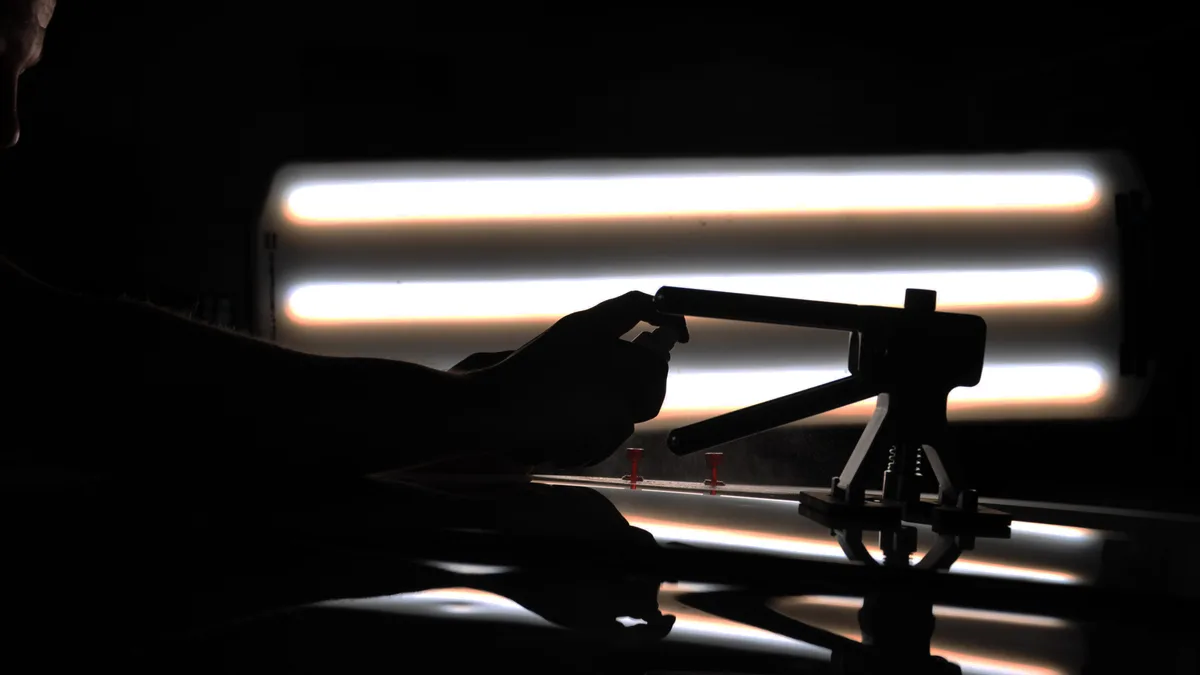
Under normal, overhead light many dents are easily missed – only raking light reveals them. Position the car so the light grazes the surface at a flat angle, for example in the low morning or evening sun or under a long fluorescent tube. Then bend down and look almost horizontally across the roof and hood. Every dent now casts a small shadow or distorts a reflected line – this is how you find even light hail damage on a car that goes completely unnoticed in direct sunlight.

Which areas you should check especially carefully
Start at the top and work your way down: the roof, hood and trunk lid or tailgate are most often affected. Don't forget the door edges, the fuel filler flap and the narrow area above the wheel arches, as overlooked dents like to gather there. Run your flat hand calmly over the surfaces – fingers often still feel bumps that the eye misses. Make a rough note of how many dents are visible per panel; this helps later with the assessment.
How to document the damage correctly
Clean documentation is worth its weight in gold for processing the claim later. First photograph the whole car, then each affected panel individually – ideally in raking light so the dents are visible in the photo. Record the date and location of the storm, because your insurer will need this information later too. A detail shot with a coin or ruler for size comparison is also helpful, so the dent size can be assessed.
Where and when did it hail in Baden-Württemberg?
Severe hail cells often move through regionally limited and hit the Rems-Murr district one time, the greater Stuttgart area another, or the surroundings of Backnang. If you're unsure whether your damage comes from a particular storm, a look at local weather reports or severe-weather warnings for the day in question helps. Note the day you last saw the car undamaged and the day you noticed the dents. This time frame makes both the claim report and our assessment easier.
Why hail is the ideal case for PDR
PDR stands for Paintless Dent Repair. The technician massages the metal back into its original shape from the inside using fine specialist tools – completely without sanding, filler or paint. Hail dents are perfect for this: they are round, broad and the paint is usually undamaged, which is exactly the condition under which this method works best. The original paint is thus fully preserved and your car looks just like it did before the storm.
Value retention: the biggest advantage of paintless repair
Because no new paint is applied with PDR, the factory coating stays intact – and that is exactly what protects the resale value. No respray appears in the vehicle history, there is no filler and no colour mismatch that would raise questions at a later sale. On top of that, the repair is usually done in hours rather than days and needs no paints or solvents, so it is environmentally friendly too. With large-area hail damage, this method often even saves the entire car from being written off.
A dent or hail damage on your car?
Just send a photo — the master inspects your car personally and calls back with an honest assessment. Within 2 hours, Mon–Fri 10–16. No automatic price.
When PDR reaches its limits
Honestly: PDR does not work in every case, and we won't pretend otherwise. As soon as the paint is cracked or chipped, a dent has a sharp crease or sits very close to an edge, the method reaches its limits. Very deep dents can sometimes only be pre-shaped, so a paint shop has to do minimal finishing. Which of these applies in your case can only be said seriously after a personal inspection – that's why our master assesses every case of damage individually instead of promising something prematurely.
Hail and comprehensive cover – briefly explained
Hail damage is the classic comprehensive-cover case and usually does not lead to a no-claims downgrade – so your no-claims discount stays intact. Insurers work with appraisals that record the number and size of dents per panel. Online "calculators" only deliver very rough estimates for this. Report the damage promptly and ask your insurer about the deadline; we explain the exact process in detail in our dedicated repair article.
What you should do now
After spotting the dents, it's best to keep the car dry and clean so the damage can be assessed well, and avoid your own repair attempts with suction cups or hot air – that often does more harm than good. Instead, simply send us your raking-light photos. Our expert looks at the images personally and gives you an honest initial assessment of whether and how your hail damage can be repaired paint-free. That way you take the next step relaxed and without risk.
Send a photo – the master gets back to you
Simply send us a good raking-light photo of your hail damage. Our master assesses every dent personally based on your image and calls you back with an honest assessment – usually within two hours, Monday to Friday between 10 a.m. and 4 p.m. You won't get an anonymous flat-rate quote from us, but a genuine professional initial assessment for your car in the Backnang and Stuttgart region. That way you quickly know where you stand.
FAQ
How much does repair cost per hail dent?
We deliberately don't quote a fixed price per dent, because every dent is different – size, depth and location decide. Our master assesses your damage personally from a photo and calls you back with an honest assessment. In our experience, online calculators or flat rates only mislead.
Where did it hail in Baden-Württemberg?
Hail cells are often very regional and hit the Rems-Murr district, the Stuttgart area or the surroundings of Backnang. Local weather reports and severe-weather warnings for the day in question help link a storm to your damage. Note the date and location – you'll need this for the insurer too.
How long does a dent specialist need for hail damage?
That depends on the number and location of the dents. Light hail damage on a car is often done in a few hours; large-area damage can take a little longer. But PDR is almost always considerably faster than a classic respray, which would take days. We'll tell you the exact time needed after the inspection.
Can I remove light hail damage myself?
We advise against it. Home methods with suction cups, a hairdryer or hot air often lead to over-stretched metal or cracked paint – and then a clean paintless repair is no longer possible. Better have the damage assessed professionally before something is irreversibly ruined.
Is hail damage a comprehensive-cover case?
Yes, hail is the classic comprehensive-cover case and usually doesn't lead to a downgrade – your no-claims discount stays intact. Report the damage promptly and ask your insurer about the deadline. We explain the details of the process in our repair article.
Is any hail damage still visible after PDR repair?
If the paint was intact and the method fits, the result is usually indistinguishable from the original surface – the factory paint is preserved, after all. But this can only be guaranteed after inspection; with cracked paint or very sharp dents, minimal finishing may be needed. That's exactly what our master checks based on your photo.