
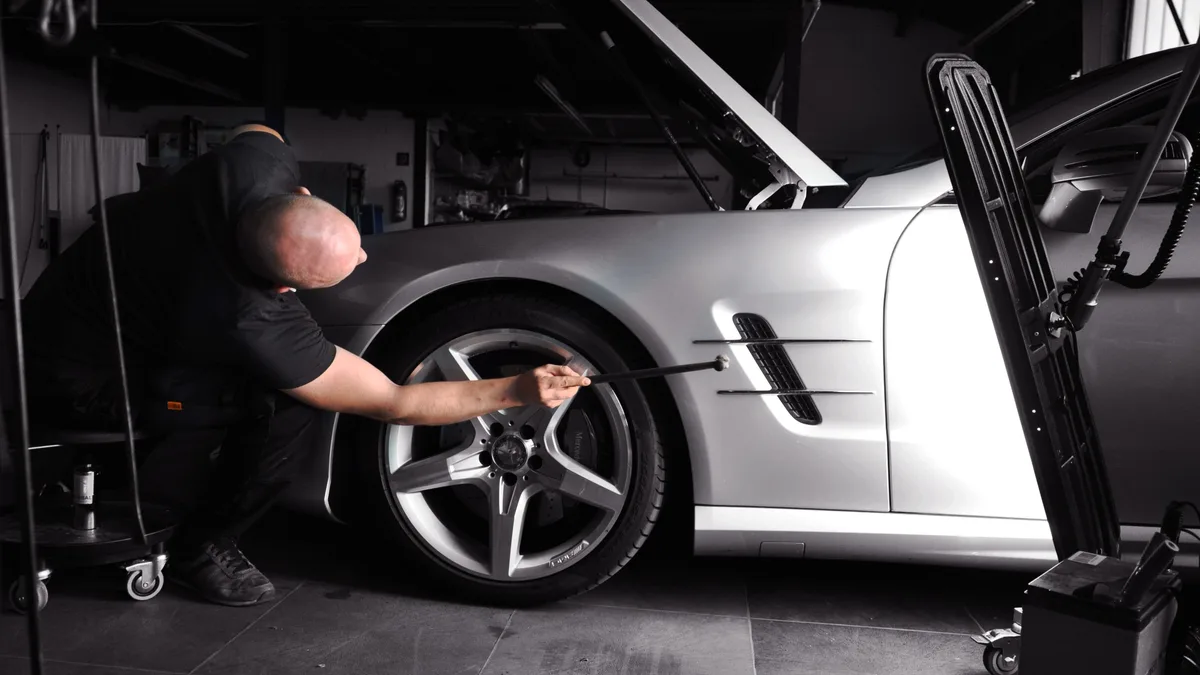
Lease return is the moment a small dent suddenly turns into a real invoice. The appraiser assesses every dent strictly by the damage catalogue – and usually books a body-shop respray for its removal, meaning a multiple of what the dent should actually cost. Dents are typically not counted as normal wear and tear, but as chargeable diminished value. Have them cleanly fixed beforehand by the master's hand using PDR, and you hand back a well-kept car while keeping the money in your own pocket.
- 2 hrs
- callback Mon–Fri
- no paint
- no filler
- value kept
- factory paint stays
Your benefits
Avoid the surcharge
Fixed dents never even appear in the appraiser's damage catalogue.
Original paint stays
With no filler or fresh paint, the factory finish stays seamless – no respray note.
Often same day
Many dents are gone within hours – doable in good time before your appointment.
Honest assessment
The master tells you upfront what's feasible – no sugar-coating, no flat rate.
Why the appraiser scrutinises dents so closely
At lease return, damage is checked against a fixed valuation catalogue. Small stone chips or fine car-wash scratches often still pass as wear and tear on a lease – dents almost never do. They're logged as damage, and the diminished value applied at lease return is based on a full repair including respray. This is exactly where the gap opens up between what the dent costs and what you get charged.
How the expensive gap forms – and how to close it
The appraiser doesn't calculate what a dent truly needs, but what the catalogue lists: knock out, fill, prime, respray. That spread needlessly pushes up the average lease-return cost. With PDR we reshape the dent from the inside – without all that effort. So if you have the dent fixed before lease return, you pay for the real repair instead of the catalogue value.
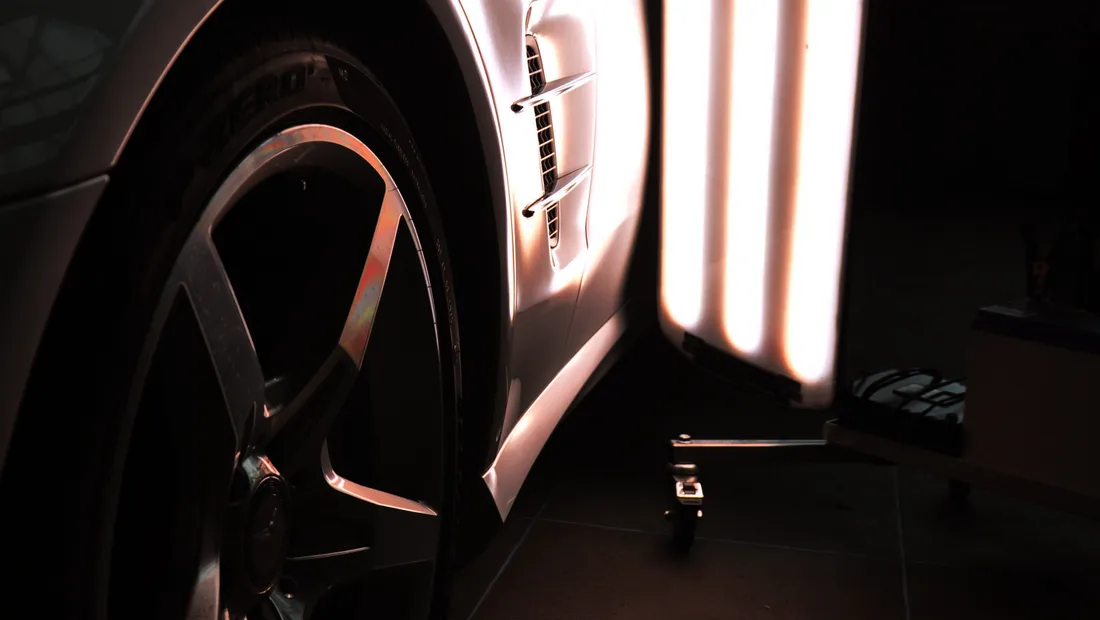
The DEKRA standard: why a respray itself becomes diminished value
Most lessors and appraisers assess returns against the recognised DEKRA „Fair Return" damage catalogue. The decisive point almost no one knows: a respray itself counts there as a value-reducing change – it leaves a respray note and can become a new diminished value. That is exactly why PDR is the „fair-return-safe" route: we bring the dent back without paint, the factory original finish stays untouched – and you pay for the repair usually only a fraction of what the appraiser would otherwise set as diminished value.
Which dents we fix before return
Parking and door dents, broad dents from shopping trolleys or hail – as long as the paint is intact, PDR is the method of choice. The master inspects each dent individually, because every one is different. With cracked paint, sharp creases or dents right at the panel edge, we tell you honestly where the method's limit lies and what makes sense.
In good time before the date – not after
The decisive point: repair before the appraiser takes in the vehicle. Once the damage is logged, the surcharge is hard to avert. So send us a photo as soon as your return date approaches – that leaves enough room to remove the dents cleanly and stress-free, and your car looks just like before at handover.
DEKRA Fair Return
The recognised standard for fair lease returns
How the DEKRA damage catalogue separates normal wear and tear from chargeable diminished value – and why paintless PDR is the „fair-return-safe" route.
Read the guide with the DEKRA source ✓ Free lease-return checklistHow it works
- 1
Send a photo
Send us a photo of the dent, ideally as soon as your return date is set.
- 2
Master reviews it
The master personally assesses the dent and checks whether PDR is the right route.
- 3
Callback within 2h
You get an honest assessment by callback within 2 hours (Mon–Fri 10am–4pm).
- 4
Appointment before return
We schedule an appointment in good time before your lease return and fix the dent.
PDR before return vs. paying the leasing company
A dent or hail damage on your car?
Just send a photo — the master inspects your car personally and calls back with an honest assessment. Within 2 hours, Mon–Fri 10–16. No automatic price.
FAQ
Does a dent count as normal wear and tear at lease return?+
Usually not. While small scratches are often accepted as wear and tear on a lease, dents are mostly rated as damage and trigger a diminished value at lease return. That's exactly why it pays to have them fixed beforehand.
What does a lease-return appraisal cost – and the repair within it?+
We can't promise a serious figure here, as the amount applied depends on the damage catalogue, the vehicle and the individual dent. What matters: the appraiser usually books the repair as a body-shop job – and thus far higher than the actual PDR fix. Send us a photo and the master will tell you honestly what's feasible on your dent.
Will it later be visible that the dent was fixed?+
With clean PDR work, no. Because we reshape the dent from the inside and the factory paint stays fully intact, there's no paint note and no blending – the panel looks just like before. That's worth gold at return.
When should I have the dent fixed before lease return?+
As early as possible – in any case before the appraiser takes in the vehicle. Once the damage is logged, the surcharge can hardly be averted. As soon as your date is set, it's best to send us a photo right away.
Is PDR really worth it for a dent before lease return?+
In most cases, yes. Because the appraiser books the dent by catalogue as an expensive body-shop repair, the clean PDR fix beforehand is almost always the more economical route. What's worth it in your case, the master assesses honestly from the photo – no flat rate.
Can every dent be removed by PDR before return?+
Most of them – as long as the paint is undamaged. Parking, door and broad dents are ideal cases. With cracked paint, sharp creases or dents right at the panel edge the method reaches its limit; then the master tells you honestly what's possible and what isn't.