
Lease return: which dents and damages cost you money? (DEKRA damage catalogue)
By Gennadij Tscherepanow · Dent removal expert · 19 June 2026
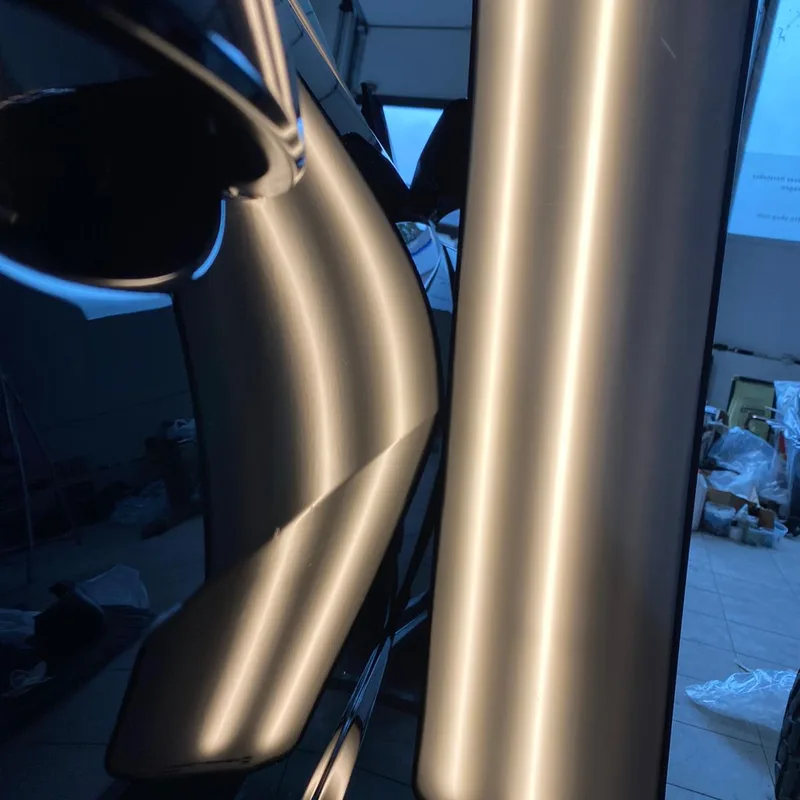
At lease return every dent is judged against the DEKRA damage catalogue. We show what passes as wear, what costs you as damage – and how PDR helps you avoid the bill.
The day of lease return is the moment when a small parking dent can suddenly turn into a real bill. Because the appraiser doesn't judge by feel, but against a fixed standard – and this is exactly where it's decided whether a dent passes as harmless wear or lands in the final invoice as a chargeable Minderwert. If you know the standard, you can deliberately avoid expensive back-payments.
Fair Return: what the appraiser really judges by
So that at the end of the lease nobody judges at their own discretion, there is a recognised standard: the DEKRA damage catalogue ‘Fair Return für Pkw’. Using clear photo examples it distinguishes normal use from real damage – as a shared, transparent assessment basis for lessee and lessor. The benchmark is a vehicle two to three years old with average mileage; younger cars are judged more strictly, older ones more leniently. If you know how this catalogue classifies dents, you face the return appointment far more calmly. (Source: DEKRA damage catalogue ‘Fair Return für Pkw’, dekra.de)
Wear or damage – the decisive line
The whole catalogue revolves around one distinction. Wear arises from normal use, depending on age and mileage – it is covered by the lease rate and not charged. Damage, by contrast, goes beyond ordinary use, is avoidable and is billed as a Minderwert. Importantly: even an excessive accumulation of individually small wear marks can add up to a loss in value. For dents, the line usually runs exactly where the paint is damaged or the car's overall impression suffers.
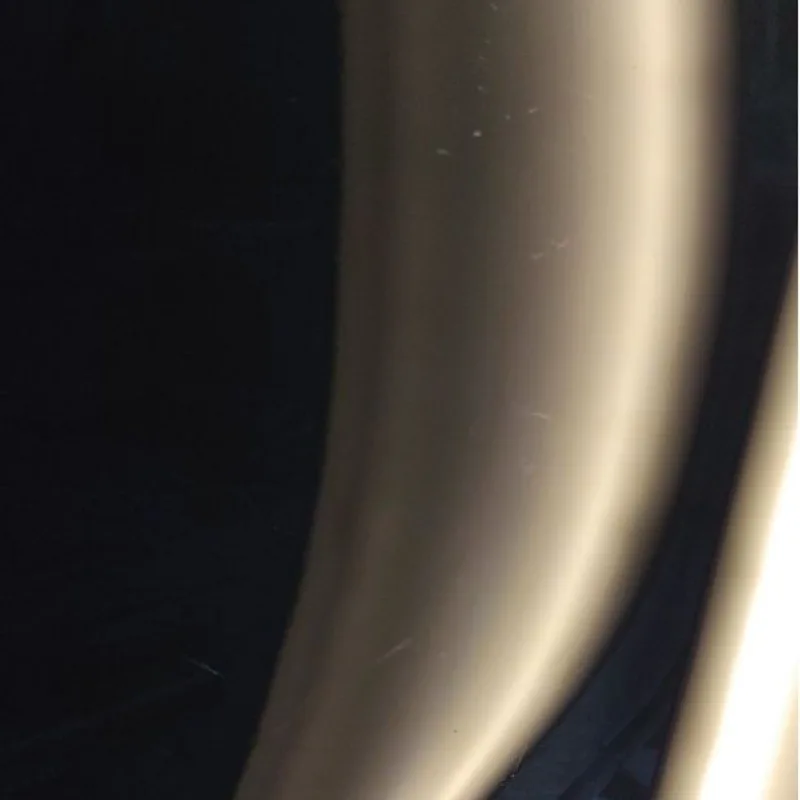
Dents at lease return: what's accepted – and what costs
The catalogue is remarkably specific here. Accepted are ‘light parking dents without paint damage that do not significantly affect the overall impression of the vehicle’ – so the typical small ding from the neighbouring car often still passes. Not accepted, and therefore chargeable, are ‘strong parking dents that affect the overall impression’, ‘strong deformations of body and add-on parts’ and explicitly ‘hail damage’. In other words: as long as the paint is intact and the car looks cared for, your chances are good. As soon as a dent catches the eye or breaks the paint, it becomes a cost factor.
Dents at return – the principle at a glance
- ✓Light parking dents without paint damage
- ✓Small dents that don’t spoil the overall look
- ✕Strong, noticeable dents
- ✕Hail damage
- ✕Dents with damaged paint
Based on the DEKRA “Fair Return” assessment principle.
Why the assessed Minderwert is often higher than the dent deserves
If the appraiser classifies a dent as damage, he sets a repair path and charges the cost of a professional repair – partially or 100 %, depending on the case. For a dent, in catalogue thinking this usually means: pull out, fill, prime, paint. It is precisely this body-shop calculation that is a multiple of what a dent actually needs. This is where the gap arises between the real effort and what you are billed – and it is exactly this gap you pay if you leave the dent standing until return day.
PDR instead of painting – the Fair-Return-safe way
This is where the real leverage lies. The catalogue itself names Smart Repair as a recognised repair path – and PDR (Paintless Dent Repair) reshapes the dent from the inside, entirely without sanding, filler and paint. Even more important: the catalogue explicitly rates ‘colour mismatches from repainting’ and ‘improper repair painting’ as not accepted. A quick, poorly matched respray can therefore create a brand-new Minderwert instead of avoiding one. PDR, by contrast, preserves the factory original paint – no colour difference, no filler spot, no entry in the history. That is exactly what ‘Fair Return’ wants to see in the end.
Hail damage before lease return
Hail damage is explicitly on the not-accepted side of the catalogue – and many small hail dents quickly add up to a noticeable Minderwert at return. The good news: precisely the typical hail dents on roof, bonnet and boot lid can usually be fully repaired by PDR without paint, because here the paint is normally intact. This turns a looming collective damage back into a well-kept vehicle – often the most economical solution of all.
A dent or hail damage on your car?
Just send a photo — the master inspects your car personally and calls back with an honest assessment. Within 2 hours, Mon–Fri 10–16. No automatic price.
What else the appraiser checks
Dents are only one part of the assessment. Also checked are wheels and tyres (e.g. tread depth over 2 mm, heavy kerb damage), glazing and lights (stone chips in the field of view are critical), the interior (heavy stains, burn holes, tears) and the completeness of the vehicle. Missing items cost too: service booklet, second and spare key, on-board tools, warning triangle and vest, spare wheel or tyre repair kit. A complete, clean car with its dents repaired leaves exactly the well-kept overall impression that matters in the assessment.
Checklist: how to prepare for lease return
Act early, not just on return day. Have the vehicle inspected in good time and dents as well as hail dents repaired by PDR beforehand – that way they aren't recorded as damage in the first place. Rely on the original paint, not on a quick body shop whose colour mismatch can cost new points. Check completeness: all keys, service booklet, on-board tools, warning triangle and vest, spare wheel or repair kit. Keep an eye on the roadworthiness test and due servicing, and return the car clean inside and out. That way you decide on the condition yourself – not the appraiser for you.
Conclusion: have dents fixed in time before return
The maths is simple: a dent you have repaired by PDR today costs a fraction of the Minderwert the catalogue assigns on return day for a body-shop repair. The original paint stays, the car looks cared for, and the money stays in your pocket. Just send us a photo of your dent before the return appointment – the master honestly assesses what can be fixed by PDR and what can't. Better to clarify beforehand than to pay extra afterwards.
FAQ
Do dents count as normal wear at lease return?
Usually only the very light ones. Under the DEKRA catalogue, small parking dents without paint damage that don't significantly affect the overall impression often pass as wear. Stronger, eye-catching dents and hail damage, however, count as damage and are billed as a Minderwert.
What does Minderwert mean at lease return?
The Minderwert is the loss in value the lessor assigns for damage not caused by normal use. It is calculated from the cost of a professional repair – for dents usually including painting, which drives the amount up considerably.
Is PDR worth it before lease return?
In most cases, yes. PDR fixes the dent without paint, preserves the factory original paint and usually costs significantly less than the Minderwert the catalogue assigns for a body-shop repair. You also avoid the risk of a respray, which can itself become damage due to colour mismatch.
Can I simply not pay for lease-return damage?
Not-accepted damage becomes due as a Minderwert in the final invoice – it can't simply be ignored. But you can prevent it: have repairable dents and hail dents removed by PDR in good time, before the appraiser even records them. That way the damage never arises in the assessment in the first place.